Book Reviews
Intellectual influences and critical reading.
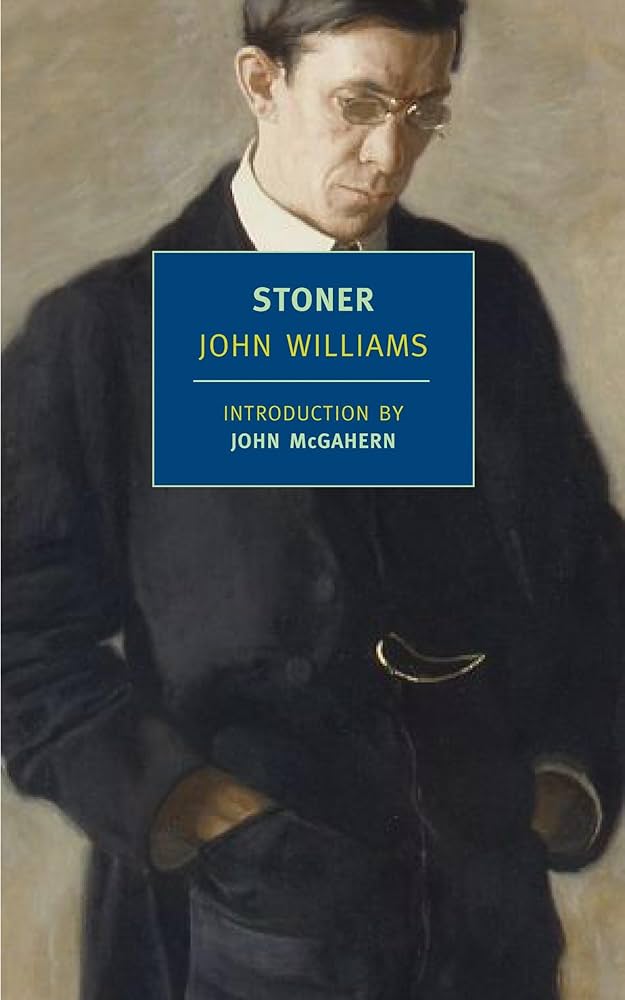
Stoner
Stoner is a novel that allows you to completely immerse yourself in its mundaneness—in the best way possible. This drama, although short, is developed through prose that creates a strong connection to William Stoner, the protagonist. You feel what he feels, both the highs and the lows. Nothing traditionally “exciting” drives you to keep turning the pages; rather, it is the depth of the character, the early twentieth-century Missouri countryside in which he lives, and his exploration of love in all its forms.
This theme of love ultimately envelops the reader. Williams puts the protagonist through many realistic trials and tribulations, but what sustains him—though never explicitly stated—is his love for his work and the people in his life. This is a beautiful novel, and the ending evoked emotion as if I had truly known Stoner.
TL;DR - A quiet, beautiful novel about love and the trials of early twentieth-century life.
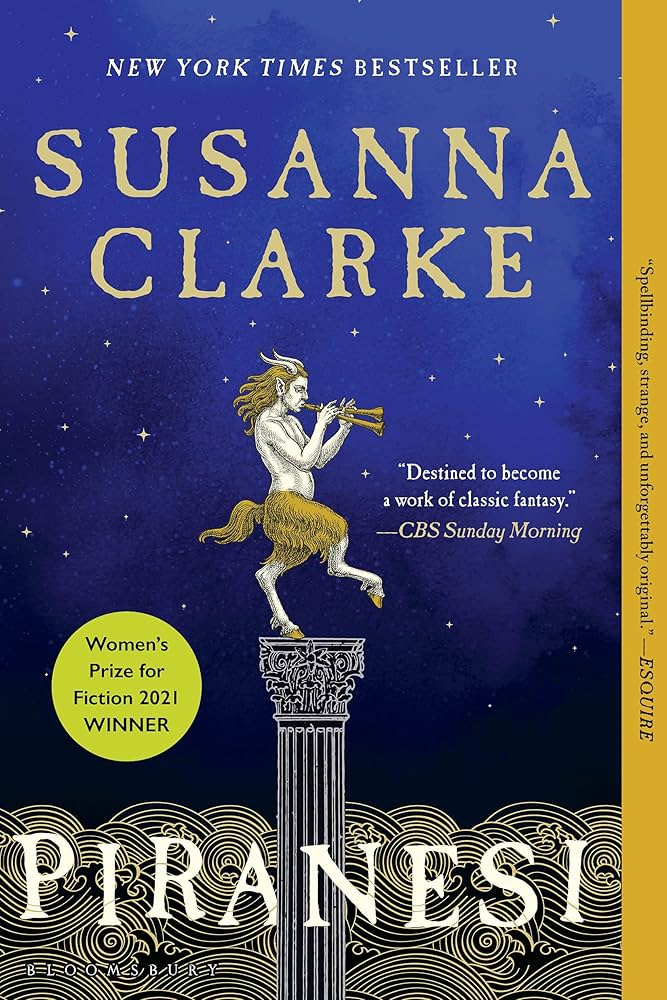
Piranesi
The plot of this book is one of the most unique and unsettling stories I’ve read. Without getting too deep into the details, the strange, labyrinth-like world that the reader is thrown into immediately adds a lot of complexity. I went into this novel completely blind, and for the first eighty pages I was genuinely confused about what was happening. After that point, though, the story shifts, and you start to understand the world slightly faster than the protagonist as he slowly pieces things together himself.
I’m used to being able to visualize a novel’s setting clearly and track where characters are at all times, but Piranesi intentionally doesn’t allow for that. There’s no map and no clear way to picture the space, which makes it difficult to fully grasp where the character is physically. Instead of being frustrating, this actually pulls you further into the story. Piranesi is mentally lost but completely familiar with the labyrinth, while the reader understands what’s happening to him but remains lost within the space itself.
Spoiler alert: The ending, especially the cult-like situation Piranesi becomes involved in, was unexpected but felt appropriately developed given the direction of the story. Piranesi ended up becoming one of my favorite literary characters because of his optimism and gratitude toward the world he lives in—qualities that stood out strongly and felt genuinely meaningful.
TL;DR - A disorienting but immersive novel with a uniquely hopeful protagonist.
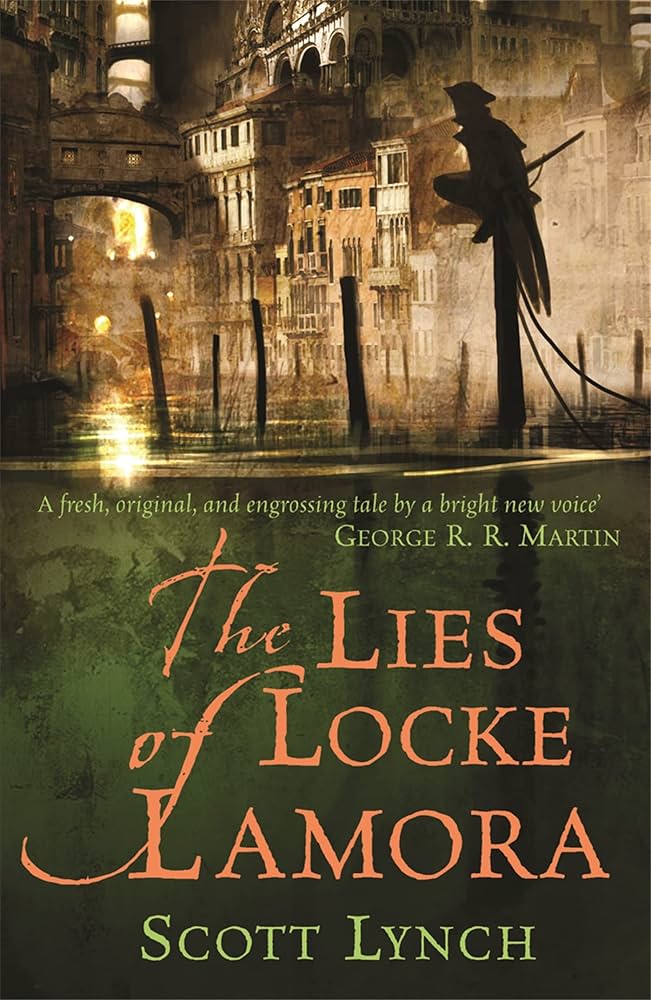
The Lies of Locke Lamora
Overall, this book had significant potential due to its inventive plot, however, I found that the ending ultimately fell somewhat flat. The novel follows a group of thieves who steal from the city's nobility; through layers of elaborate deception, they operate as highly sophisticated con artists. While this concept was engaging, I was dissatisfied with the motivations of the antagonist, the Grey King, which were not revealed until the very end of the novel. Although these motives were technically unpredictable, they felt underdeveloped and somewhat contrived, as if they lacked a clear foundation throughout the story. As a result, the climax gave the impression that the resolution had not been thoroughly thought through. While the novel avoids a stereotypical "happy ending," I believe the conclusion could have been executed more effectively to better match the strength of the earlier narrative.
TL;DR - Inventive plot, ending falls flat